Nanjing Maritime Court Forum: Serving the High-Quality Development of the Marine Economy and Building a Preferred Destination for International Maritime Dispute Resolution
On December 11, the Nanjing Maritime Court held a forum under the theme of "Serving the High-Quality Development of the Marine Economy and Building a Preferred Destination for International Maritime Dispute Resolution."
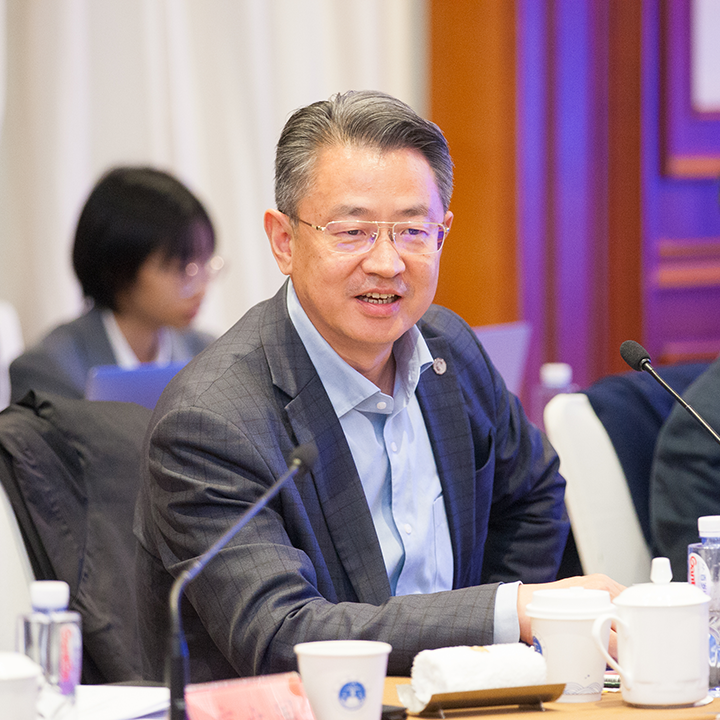
Xia Daohu, President of the Jiangsu High People's Court, attended the event and delivered a keynote speech. He was joined by a panel of renowned legal scholars and experts, including Huang Jin, former President of the China University of Political Science and Law, President of the China Society of International Law and the China Society of Private International Law, and Senior Professor of Humanities and Social Sciences at Wuhan University; Wang Guiguo, Dean of the Academy of International Strategy and Law at Zhejiang University, Academician of Academia Europaea, and Senior Professor of Liberal Arts at Zhejiang University; Gao Zhiguo, former President of the Chinese Society of the Law of the Sea, former Judge of the International Tribunal for the Law of the Sea, and Honorary Dean of the Law School of Hainan University; Yu Shicheng, former President of Shanghai Maritime University and a member of the Expert Committee of the Ministry of Transport; Shan Hongjun, President of Dalian Maritime University. The event was presided over by Li Yuming, the President of the Nanjing Maritime Court.
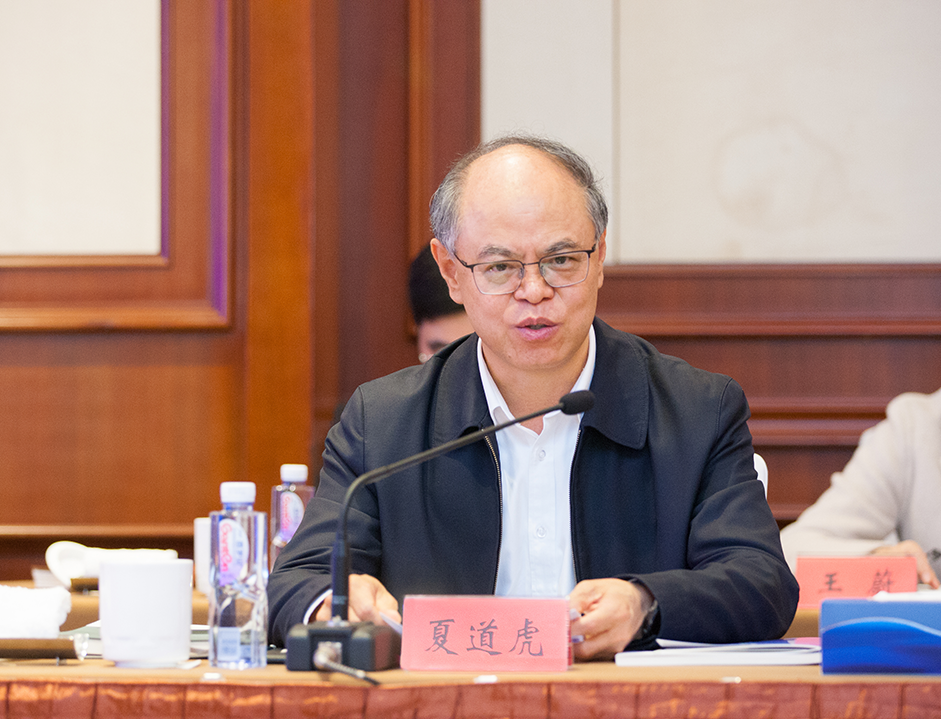
Xia Daohu emphasized that Jiangsu courts should align with the strategic blueprint for a high-quality marine economy and strengthen the supply of maritime judicial services. He urged the courts proactively address judicial demands in marine equipment manufacturing, modern shipping services, and the development and utilization of marine energy resources, thereby boosting the role of maritime justice in driving economic and social development. Furthermore, he called for greater precision in applying international treaties and conventions, the cultivation of influential model cases that set precedents for international maritime rules, and the expansion of the international influence of China's maritime adjudication.
Huang Jin highlighted that China has established the basic principle of prioritizing international treaties while utilizing international practices as a supplement in civil and commercial matters. He stated that the good-faith application of international treaties and practices in foreign-related maritime cases is of great significance for advancing high-level opening-up and strengthening the rule of law in foreign-related affairs.

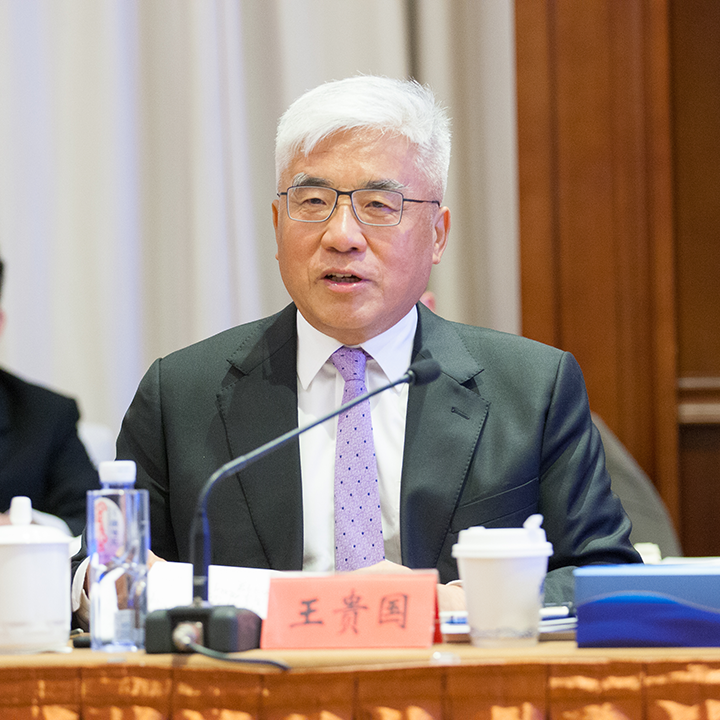
Wang Guiguo remarked that the establishment of a preferred destination for international maritime dispute resolution constitutes both a national strategic issue and a practical challenge for courts. He identified the key lies in clearly defining institutional positioning, leveraging comparative advantages, and enhancing the sense of service. He suggested that experts should participate in case studies and rule research, while courts should strengthen coordination with government authorities and industry organizations to guide parties towards appropriate dispute resolution methods, thereby boosting the predictability and international recognition of judicial decisions.
Gao Zhiguo observed that China's marine governance and maritime legal framework require further improvement. He emphasized the foundational role of the maritime rule of law in driving marine economic development and building a Maritime Powerhouse. He advocated for institutional innovation and the publication of typical cases to elevate the status of maritime justice in serving national strategies.

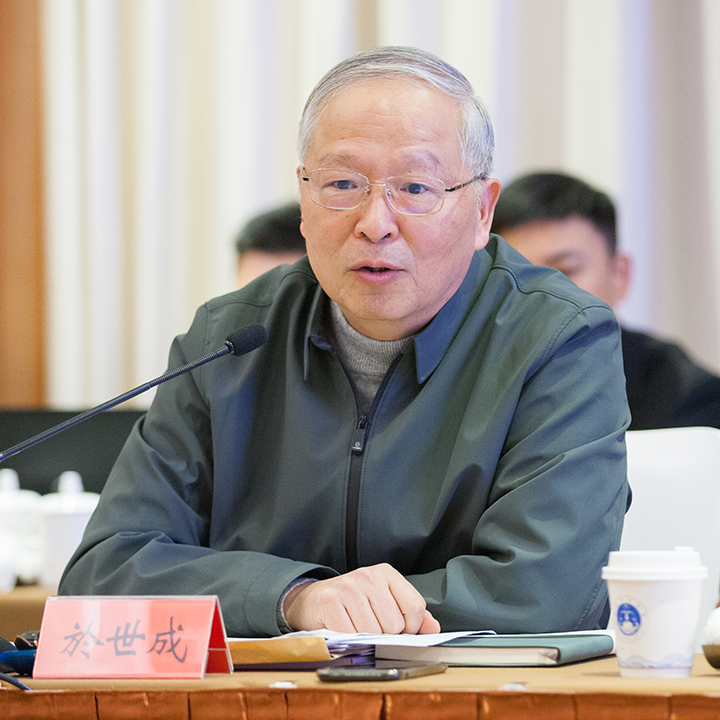
Yu Shicheng highlighted the pivotal role of maritime justice in marine economic development. He suggested that the Nanjing Maritime Court should leverage Jiangsu's unique river, lake, and sea advantages to summarize practical experience in case handling, providing references for legislative improvement. He also emphasized the need for sustained efforts in judicial review of foreign-related arbitration, judgment reasoning, and professional capacity-building to enhance the credibility and influence of China's maritime justice through high-quality rulings.
Shan Hongjun noted that establishing a preferred destination for international maritime dispute resolution depends not only on port size or shipping volume, but more fundamentally on institutional competitiveness and professional service capabilities. International experience suggests that the stability of rules and the clustering of high-end legal services play a decisive role in this process. Developing such a preferred destination requires pilot explorations in selected regions to gradually establish an institutional brand that features both international appeal and credibility.